
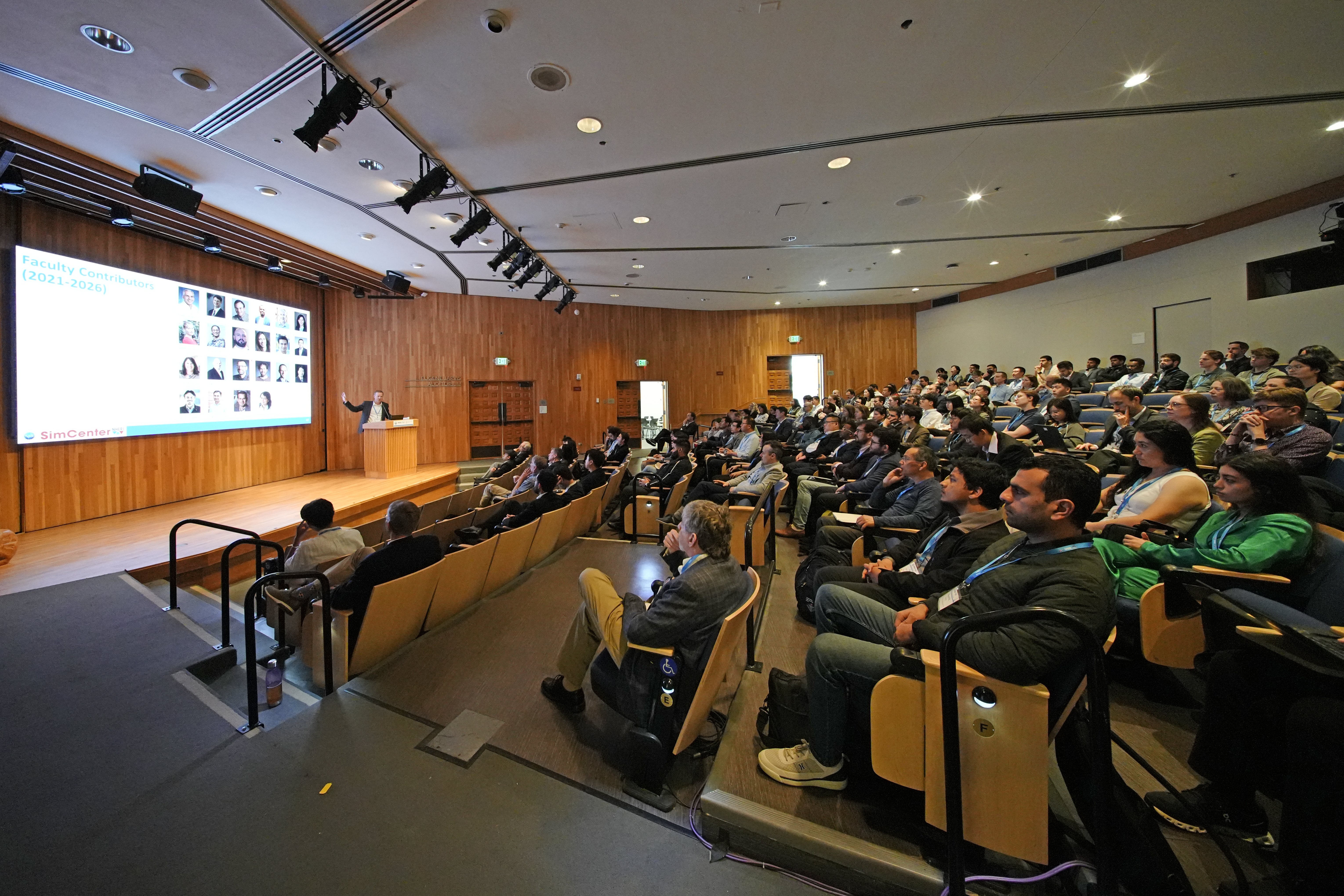
 Symposium plenary session (Photo by Adam Lau/UC Berkeley Engineering)
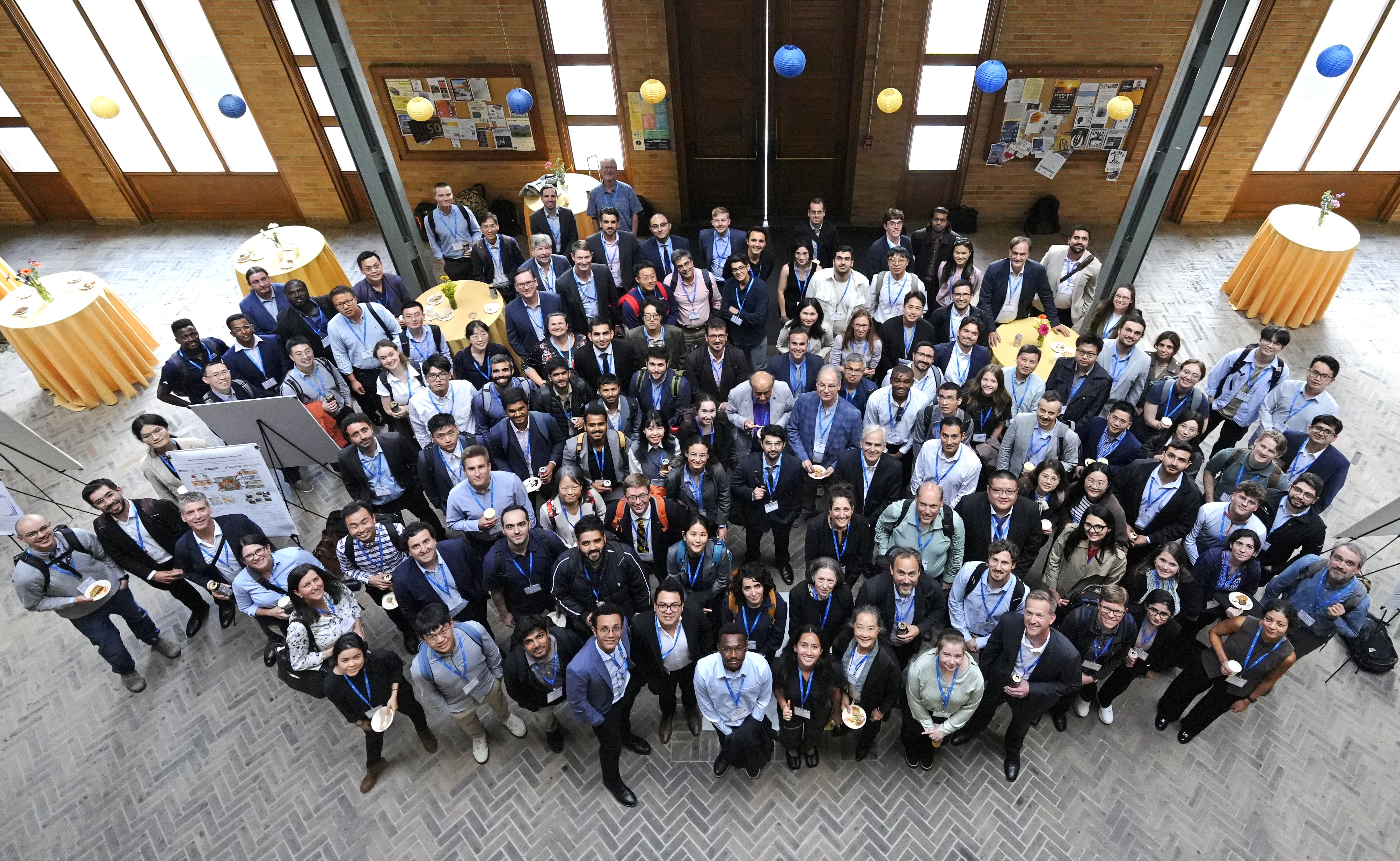 Poster session reception (Photo by Adam Lau/UC Berkeley Engineering)
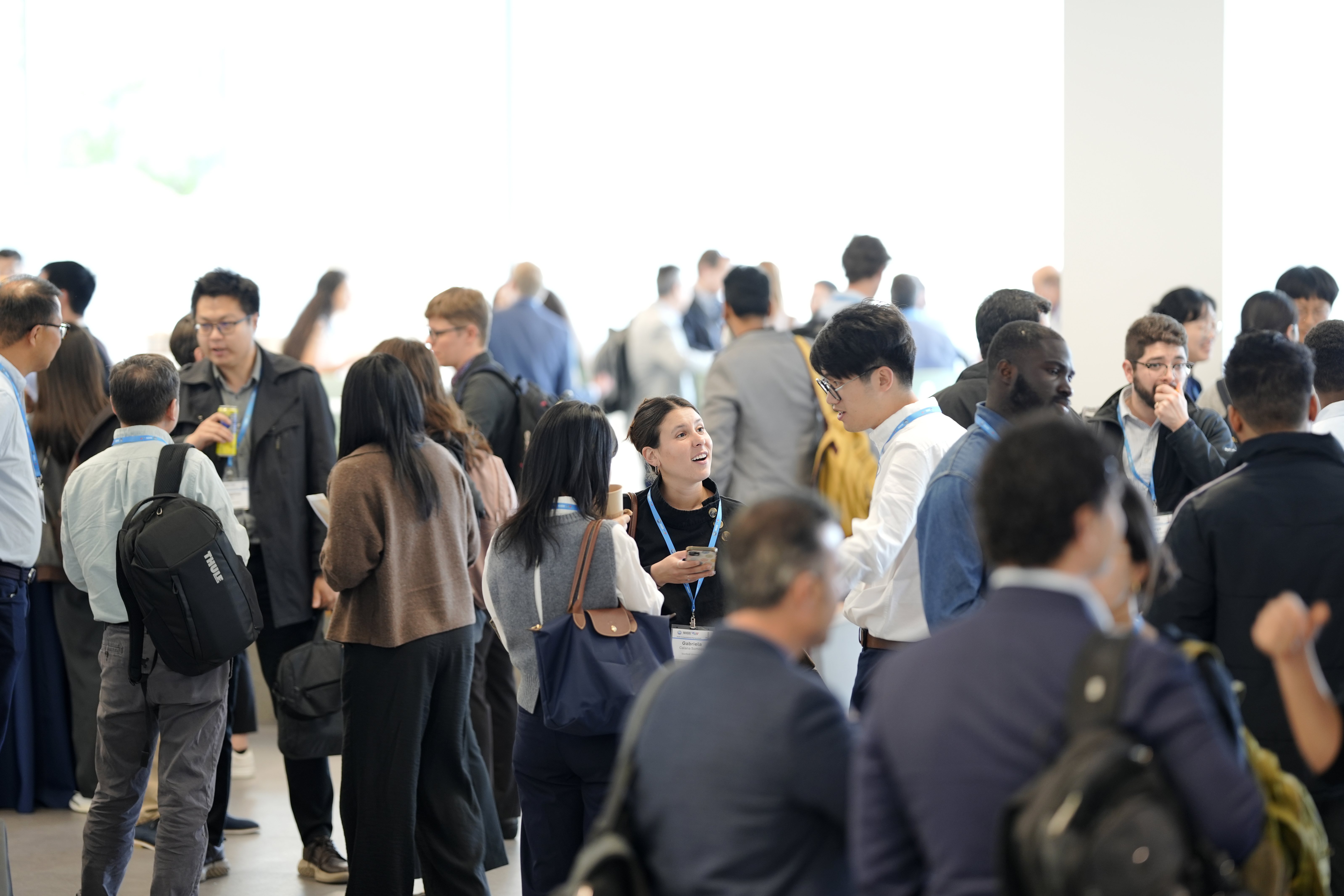 Networking break (Photo by Adam Lau/UC Berkeley Engineering)
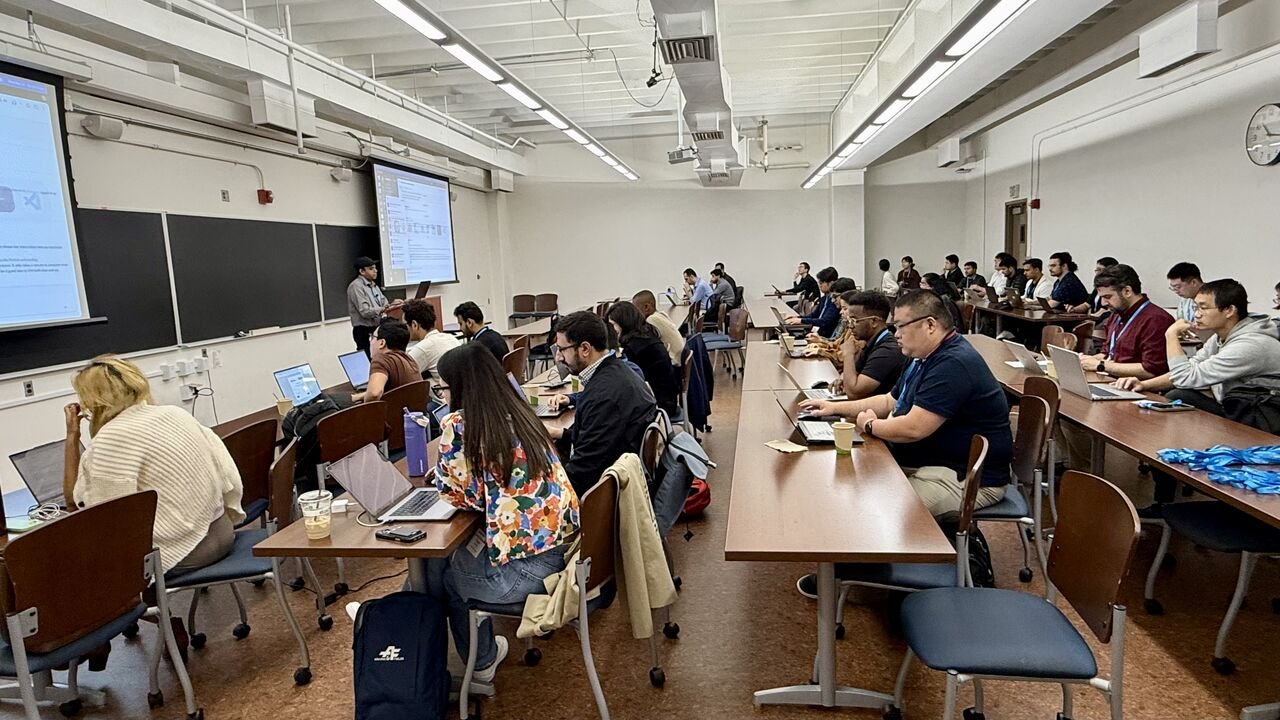 Pre-symposium NHERI Workshop (Photo by Grace Kang/UC Berkeley Engineering)
The 2026 NHERI Computational Symposium, hosted by SimCenter in collaboration with RAPID and DesignSafe, took place on May 28–29 at UC Berkeley's Grimes Engineering Center. Under the theme "Innovation through Collaboration," the event drew more than 180 researchers, government representatives, and industry practitioners from across the natural hazards engineering and social science communities. The two-day symposium served as a dynamic forum for interdisciplinary exchange, spanning fields including wind, flood, wildfire, tsunami and storm surge, earthquake engineering, uncertainty quantification, multi-hazards, and community impacts.
We extend our sincere gratitude to our keynote speakers, Seth Guikema and Helen Crowley, whose insights set the tone for two days of thought-provoking discussion and helped frame the symposium's central focus on collaborative innovation in natural hazards research.
The success of the NHERI Computational Symposium would not have been possible without the dedicated efforts of the organizing committee, whose vision and planning brought this event to life. We also gratefully acknowledge the generous support of the U.S. National Science Foundation (NSF), whose funding enabled the convening of leading experts to address some of the most pressing challenges in natural hazards engineering and community resilience.